






Description
Introduction
2018 EZGO TXT Gas 4-Passenger golf cart stands as a powerful and deliberate anachronism. It is a machine that champions brute-force mechanical simplicity over silent electronic complexity, unlimited range over scheduled charging, and proven, wrench-turnable reliability over digital novelty. This is not a cart designed to impress with its whisper-quiet operation or its zero-local-emissions virtue; it is engineered for a singular purpose: to perform, without fail, day in and day out, under the most demanding conditions.
The TXT platform itself is a legend in the golf cart world, a nameplate that signifies durability, functionality, and exceptional value. The 2018 model year represents this philosophy in its most refined, pre-EPA-mandated evolution. It is the culmination of decades of incremental improvement, resulting in a vehicle that many enthusiasts and professionals consider one of the last great, simple gas-powered carts. This deep dive explores every facet of the 2018 TXT Gas, from its torquey heart to its rugged frame, examining why it remains a highly sought-after machine for those who need a tool, not a toy.
2018 Ezgo TXT GAS: Philosophy and Lineage – The Enduring Spirit of the TXT
The story of the TXT begins not in 2018, but in the mid-1990s. The name originally stood for “Textron,” EZGO’s parent company at the time, and was introduced as a more modern, user-friendly successor to the Marathon series. The TXT’s design was a revelation: a body-on-frame construction with separate, replaceable plastic panels, a more robust chassis, and improved ergonomics.
Over two decades, the TXT evolved, but its core principles remained unchanged:
Durability Over Luxury: Every design choice prioritized longevity. The steel frame is overbuilt. The components are chosen for their ability to withstand abuse.
Simplicity for Serviceability: The cart was designed to be fixed easily. A damaged body panel can be unbolted and replaced in minutes. The engine bay is accessible, with plenty of room to work.
Unmatched Versatility: The fundamental design—a two-seater with a flat rear area—lent itself perfectly to customization. It could be a golf cart, a people-hauler with a rear seat, a flatbed utility vehicle, or the base for a lifted off-road cruiser.
By 2018, EZGO was also producing the more modern, automotive-inspired RXV and the luxury-focused Liberty. Yet, the TXT remained in the lineup. Its continued existence was a testament to its enduring popularity with a specific clientele: golf course operators, large property owners, hunters, and commercial users who valued its no-nonsense approach and lower initial cost. The 2018 TXT Gas is the embodiment of this “if it ain’t broke, don’t fix it” mentality, representing the peak of its development before significant emissions changes altered its character.
2018 Ezgo TXT GAS: The Heart of the Beast – Powertrain and Performance
The soul of this machine is its engine. While the electric TXT models whisper, the gas model announces its presence with the purposeful, throaty rumble of a industrial-grade powerplant.
The Engine: Kawasaki FH430D
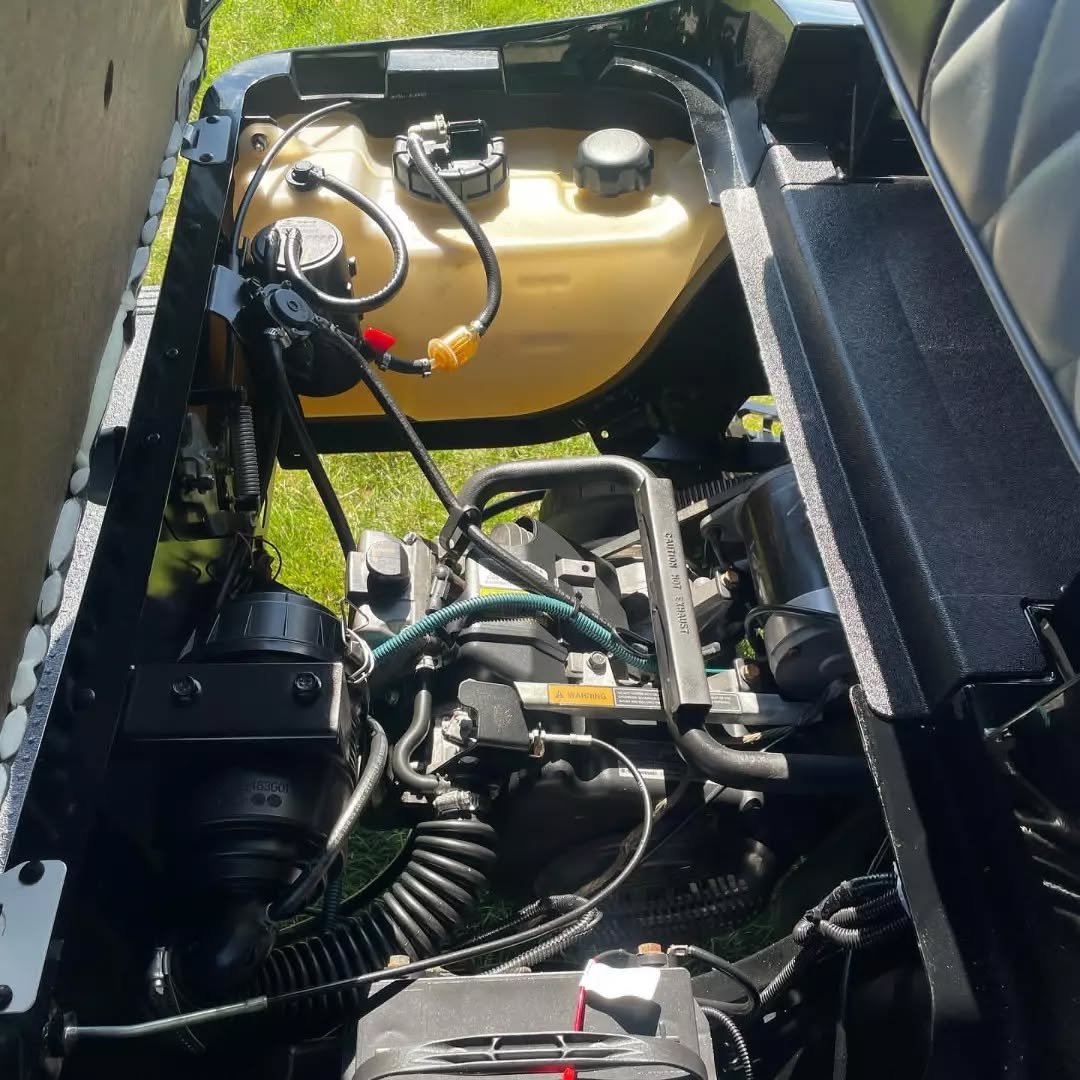
Nestled under the rear seat is a 432cc, four-stroke, single-cylinder, overhead valve (OHV) engine manufactured by Kawasaki. This is not a generic engine; it is a masterpiece of small-engine design, renowned across industries for its robustness.
Displacement and Design: The 432cc size is substantial, providing a significant advantage in low-end torque over smaller 300-350cc engines found in older carts. The OHV design allows for a more efficient combustion chamber, better fuel economy, and cooler operation than outdated side-valve (flathead) designs.
Reliability: Kawasaki engines are legendary for their longevity. With basic maintenance (regular oil changes, air filter cleaning), this engine is known to run for thousands of hours. It is built with forged internal components designed to handle sustained high-RPM operation, which is exactly what a golf cart engine experiences.
Key Features:
Electronic Ignition: Provides reliable, hot sparks for sure starts in all weather conditions, eliminating the points and condensers of antiquated systems.
Forced Air Cooling: A fan draws air over the engine’s cooling fins. This simple, mechanical system is utterly reliable and effective, preventing overheating even during prolonged low-speed, high-load work.
Oil Alert System: A crucial low-oil-pressure sensor will shut down the engine before a lack of lubrication causes catastrophic damage. This is a vital feature for preserving the engine’s life, especially in rental or commercial fleets where maintenance might not be perfectly timely.
Carburetion: The 2018 model utilizes a carburetor. This is a significant point of discussion. While fuel injection offers slightly better throttle response and emissions, the carburetor on the TXT is simple, reliable, and easily serviced or replaced by any mechanic with basic small-engine knowledge. For the target market, this is a feature, not a drawback.
The Drivetrain: MCI Transaxle and CVT
Power is transferred to the wheels through a beautifully simple and effective system.
The Ultramatic CVT: The TXT uses a Continuously Variable Transmission system. It consists of a drive clutch on the engine, a driven clutch on the transaxle, and a drive belt. As engine RPM increases, the clutches automatically change their effective diameters, seamlessly shifting from a low “gear” for powerful acceleration to a high “gear” for efficient cruising. This system is perfectly matched to a golf cart’s use case, providing maximum torque exactly when it’s needed without any driver input.
The MCI Transaxle: MCI stands for “Marathoner Counter Intuitive,” a name carried over from EZGO’s past. It’s a robust transaxle that combines a transmission and differential into a single unit. The “F-N-R” (Forward-Neutral-Reverse) selection is made via a manual lever located between the seats—a direct, mechanical connection that owners appreciate for its simplicity.
Performance Characteristics:
Top Speed: Factory governed to ~13-15 mph to comply with golf course regulations. However, this is easily and commonly modified through governor adjustment or aftermarket clutch kits to achieve a safe and useful 19-24 mph for private property use.
Torque: This is the gas TXT’s defining performance attribute. The 432cc engine delivers exceptional low-end grunt. It climbs hills with four adults that would cause an electric cart’s speed to plummet as battery voltage drops. It can tow trailers, haul heavy loads in the bed, and accelerate with authority.
Range and Refueling: This is the single greatest advantage over electric models. With a 6-gallon fuel tank, the TXT Gas boasts a range of 150-200 miles on a single tank. Refueling takes minutes at any gas can or station, providing operational freedom that electric carts simply cannot match. This makes it ideal for multi-day hunting trips, all-day work on a large estate, or golf course fleet use where charging infrastructure is impractical.
2018 Ezgo TXT GAS: Chassis, Suspension, and Braking – The Foundation of Durability
The powertrain is mounted to a chassis built for punishment.
Frame: A heavy-gauge, powder-coated steel ladder frame forms the foundation. This design is incredibly strong, resistant to twisting, and provides a solid mounting point for all components. The powder coating offers superior corrosion resistance compared to simple paint.
Suspension:
Front: An independent suspension with leaf springs. While not as sophisticated as the double-A-arm setup on a Yamaha G22, it is simple, effective, and provides a noticeably better ride than solid-axle carts from other manufacturers. It soaks up bumps adequately while maintaining stability.
Rear: A straightforward leaf spring suspension. This design is chosen for its immense strength and load-bearing capability. It is perfectly suited for carrying heavy passengers or cargo in the rear bed without sagging or bottoming out.
Braking System: A major upgrade featured on the 2018 model is its four-wheel hydraulic drum brakes. This is a significant advantage over older mechanical brake systems.
Benefits of Hydraulics: They provide stronger, more consistent stopping power with less pedal effort. They are self-adjusting, meaning they maintain their braking efficiency as the brake shoes wear. They are also more reliable and less prone to the cable stretch and seizing issues that can plague mechanical systems.
Parking Brake: A manual, hand-operated lever that mechanically engages the rear brakes.
Tires and Wheels:
The cart came standard with 18×8.5-8 street tread tires on 8-inch steel wheels. This setup is quiet and efficient on pavement and grass. However, the TXT’s true character is often revealed through customization. Its robust chassis and suspension make it an ideal candidate for lift kits (3″, 4″, 6″) and larger, more aggressive all-terrain or knobby tires, instantly transforming it from a pavement princess into a capable off-road explorer.
2018 Ezgo TXT GAS: Design, Body, and Practical Utility
The TXT’s aesthetic is functional and timeless. Its body-on-frame construction is a key to its longevity and appeal.
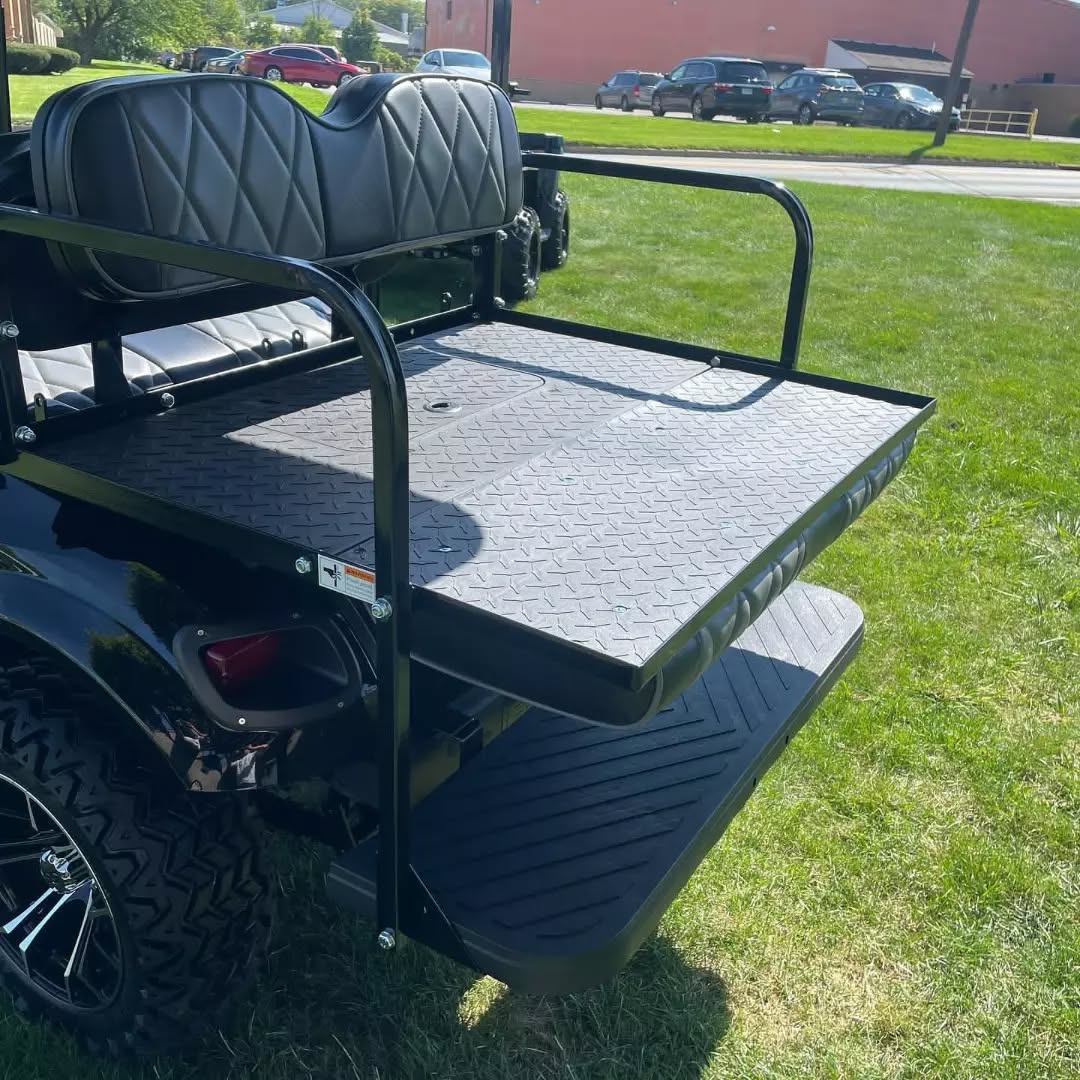
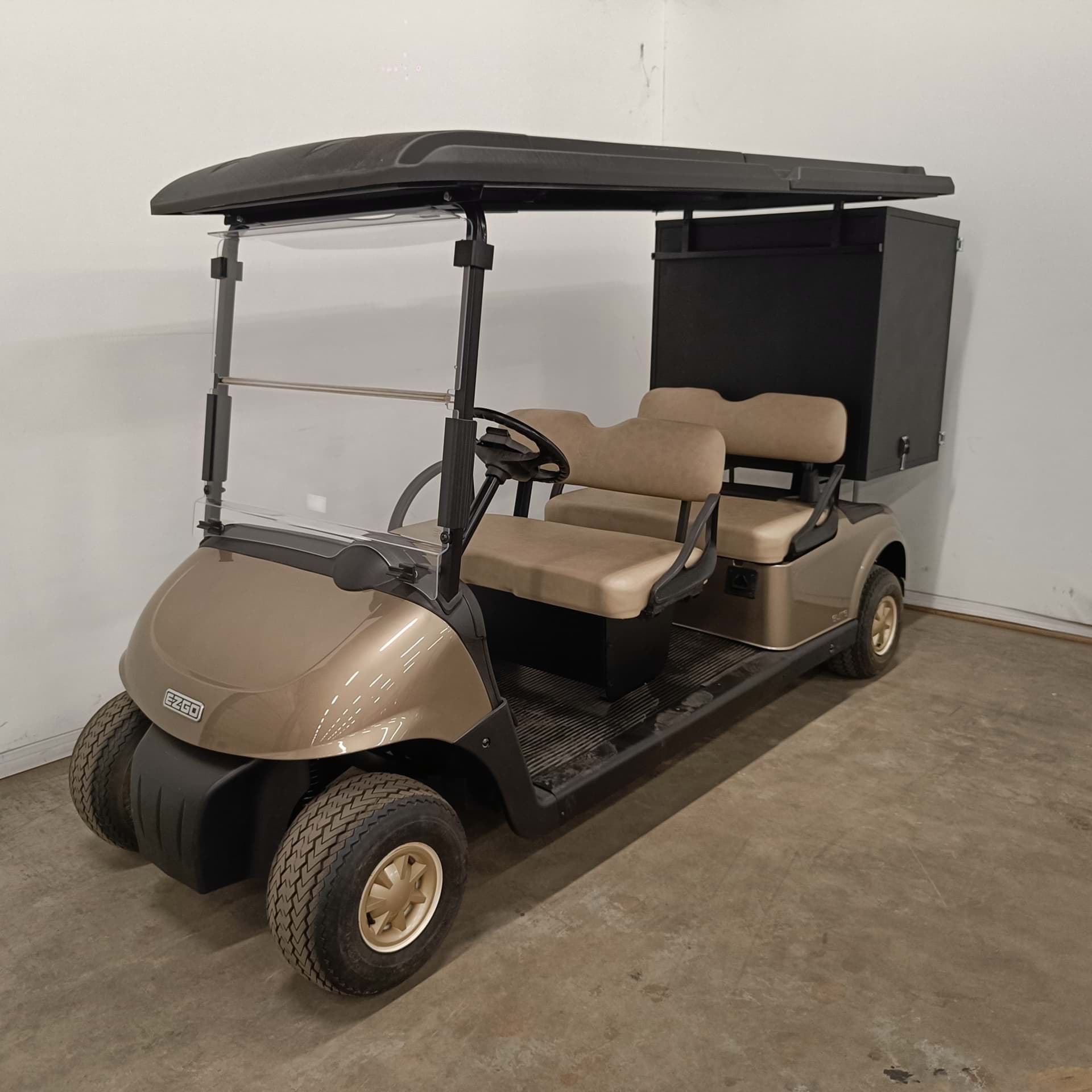
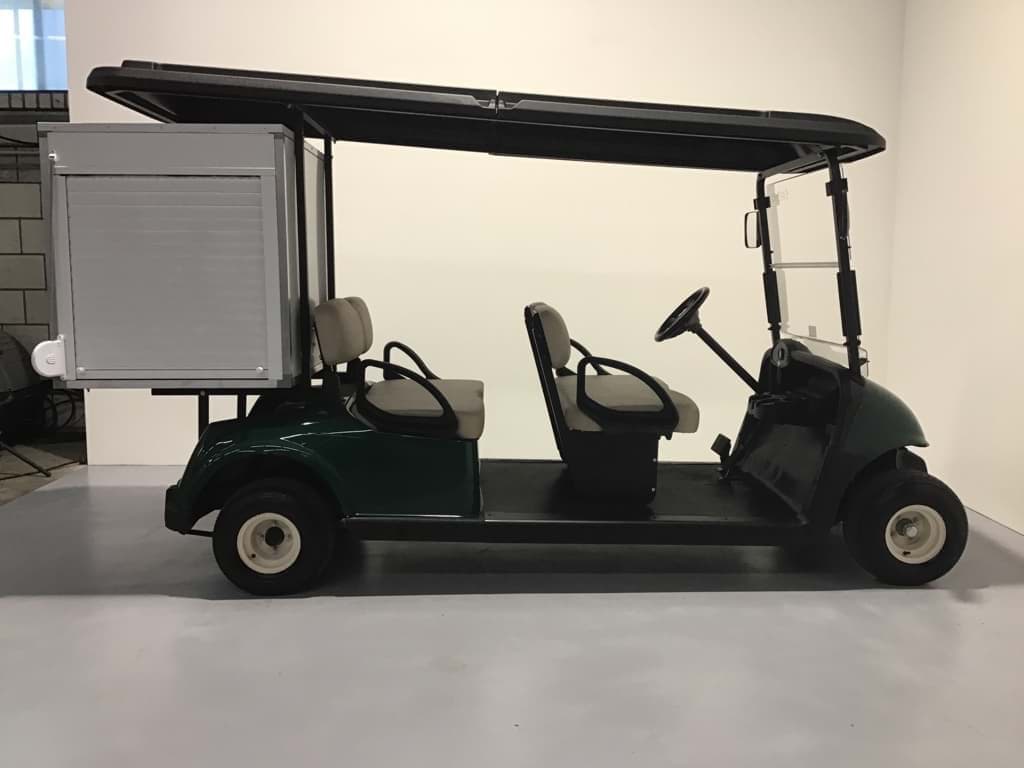
Body Style: The plastic body panels are separate from the chassis. This means a fender-bender doesn’t total the cart; you simply unbolt the damaged panel and bolt on a new one. The 4-passenger configuration is achieved with an optional (very common) rear flip-seat. This features a forward-facing bench for two passengers. When flipped down, it creates a large, flat cargo bed with a weight capacity of approximately 300 lbs.
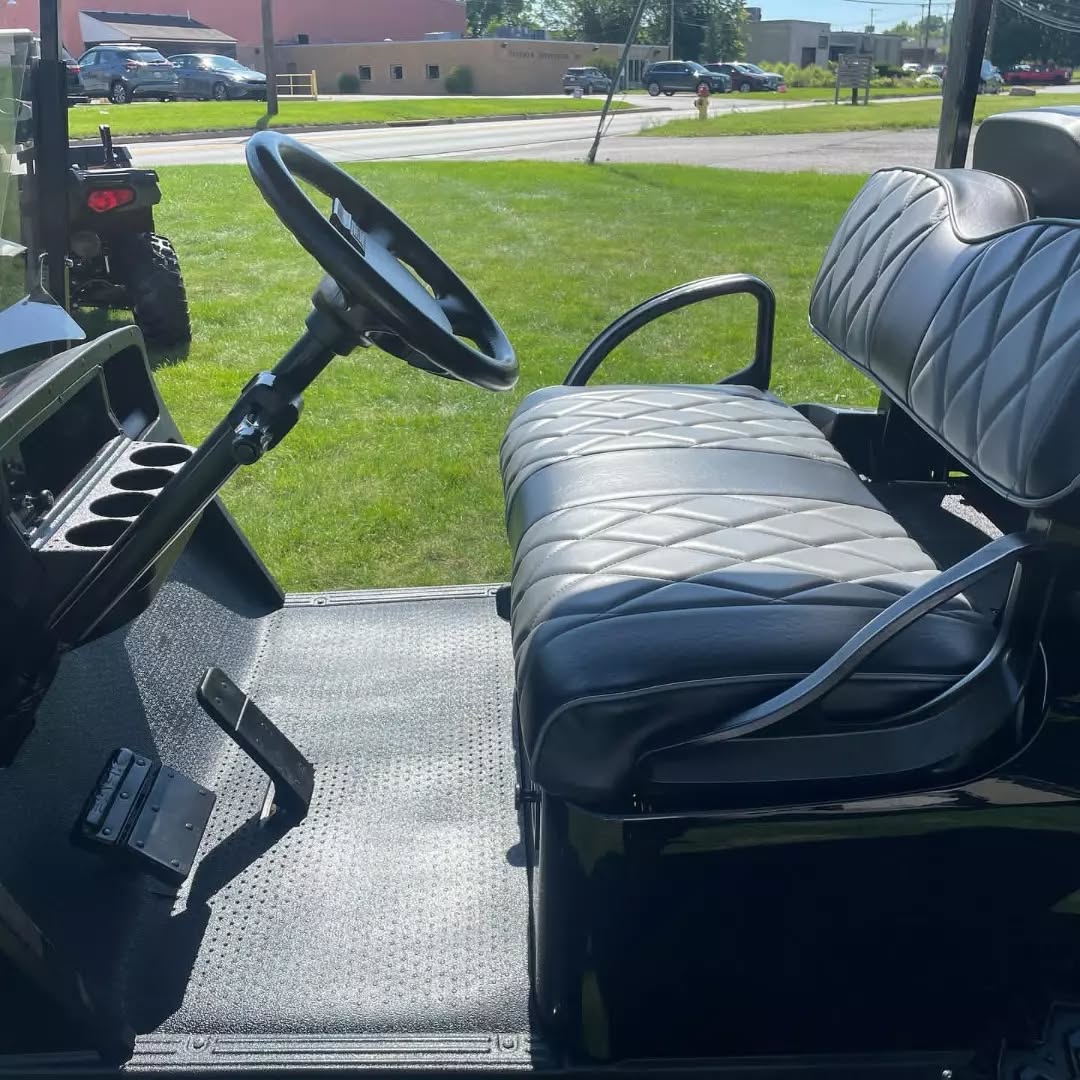
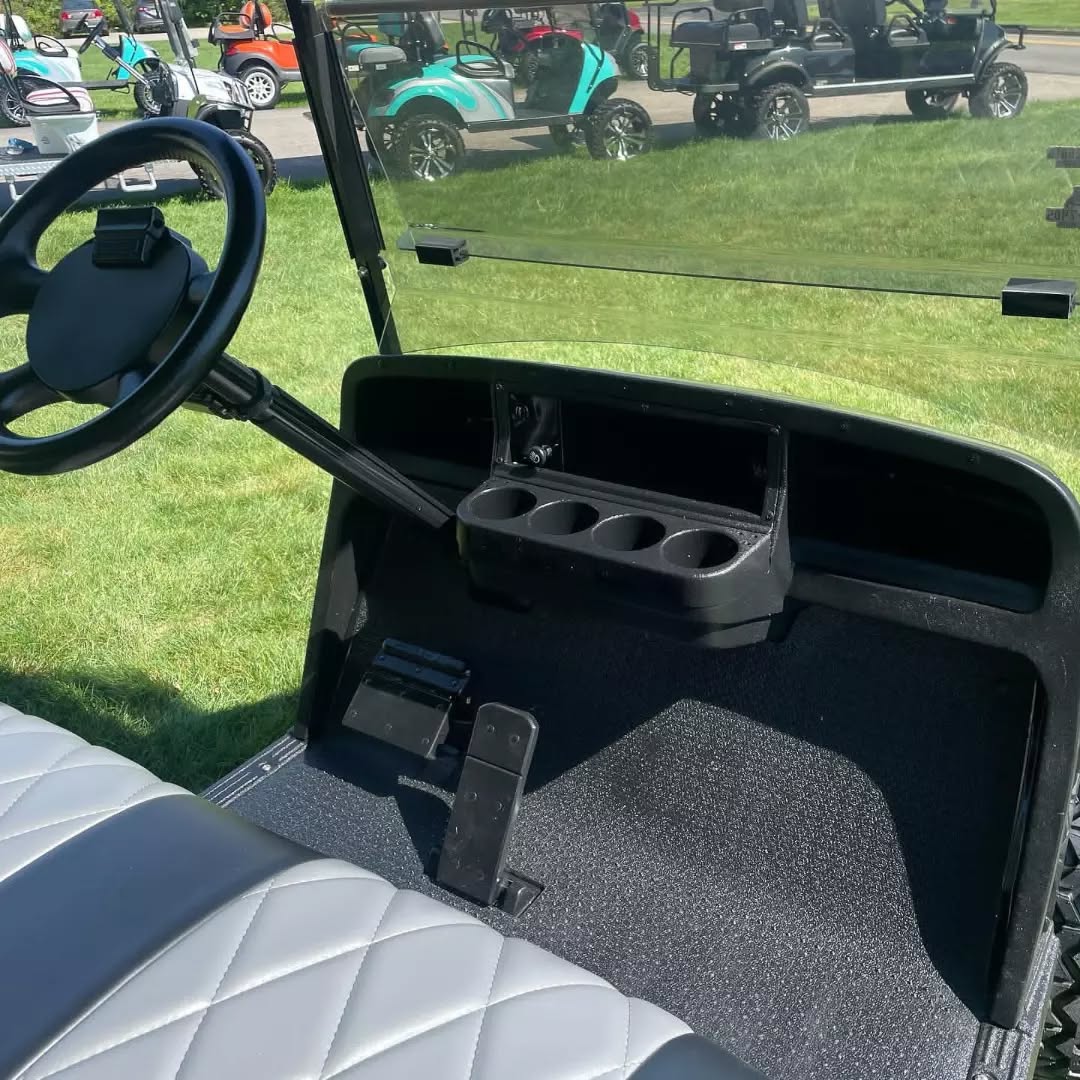
Ergonomics and Controls: The driver’s environment is straightforward and functional. The dashboard is simple, typically housing a key switch, a fuel gauge, and perhaps a cigarette-lighter-style 12V outlet. The F-N-R lever is a positive-action mechanical shifter. The pedals are simple—go and stop. There are no confusing modes or screens to navigate.
Cargo Capacity: The versatility is a huge selling point. In five seconds, it can change from a people-mover to a cargo-hauler. Whether it’s golf bags, tools, feed bags, coolers, or hunting gear, the TXT is ready to work.
2018 Ezgo TXT GAS: The Ownership Experience – Life with a TXT Gas
Driving Impressions:
Driving the 2018 TXT Gas is an engaging, analog experience. Turning the key brings the engine to life with a confident rumble. There’s a slight delay as the drive clutch engages, followed by a surge of acceleration that electric carts lack. The engine note is ever-present but not overwhelming, allowing for easy conversation. The hydraulic brakes inspire confidence with their firm pedal feel and stopping power. The ride is firm and utilitarian—you feel the road, but the suspension effectively takes the sharp edge off bumps. It feels solid, planted, and capable. There’s a satisfying mechanical honesty to the entire experience.
Maintenance and Reliability:
This is where the TXT Gas truly earns its stripes.
Routine Care: Maintenance follows a simple, predictable schedule: oil changes (every 100 hours or annually), air filter cleaning, spark plug replacement, and belt inspection. The components are all easily accessible. For anyone with basic mechanical skills, these are DIY jobs, saving significant money over a dealership.
The Electric Comparison: This is the core of the ownership decision. An electric cart has one major, unavoidable future expense: battery replacement. Every 4-6 years, a set of lead-acid batteries will cost $800-$1,200 to replace. They also require regular watering and can be damaged by improper charging. The gas TXT eliminates this entire cost and hassle. Its engine, with proper care, will last for years without a major overhaul.
Long-Term Durability: Stories of TXT platforms from the early 2000s still working daily are common. The design is so robust and the components so proven that there is little to go wrong. This predictability and low cost of ownership are primary reasons for its cult-like following.
The Target Audience:
The 2018 TXT Gas is not for everyone. It is ideally suited for:
Large Property and Estate Owners: For those with acres of land, its range and cargo capacity are indispensable.
Hunters and Outdoorsmen: Its ability to travel deep into the woods far from any power source, its torque for pulling game, and its utility make it a premier hunting buggy.
Commercial and Industrial Users: On campuses, factories, and farms, where noise is less concern than uptime and durability, the TXT excels.
Golf Courses (that allow gas): For courses with long distances between holes and maintenance facilities, the quick refueling is a major operational advantage.
The Value-Seeker: It offers core capability at a lower initial price than more premium or complex models, both new and on the used market.
2018 Ezgo TXT GAS: Customization and Legacy
The TXT is one of the most customized vehicles in the world. The 2018 gas model is a perfect foundation.
Performance: Speed upgrades, high-flow air filters, and performance exhausts are readily available.
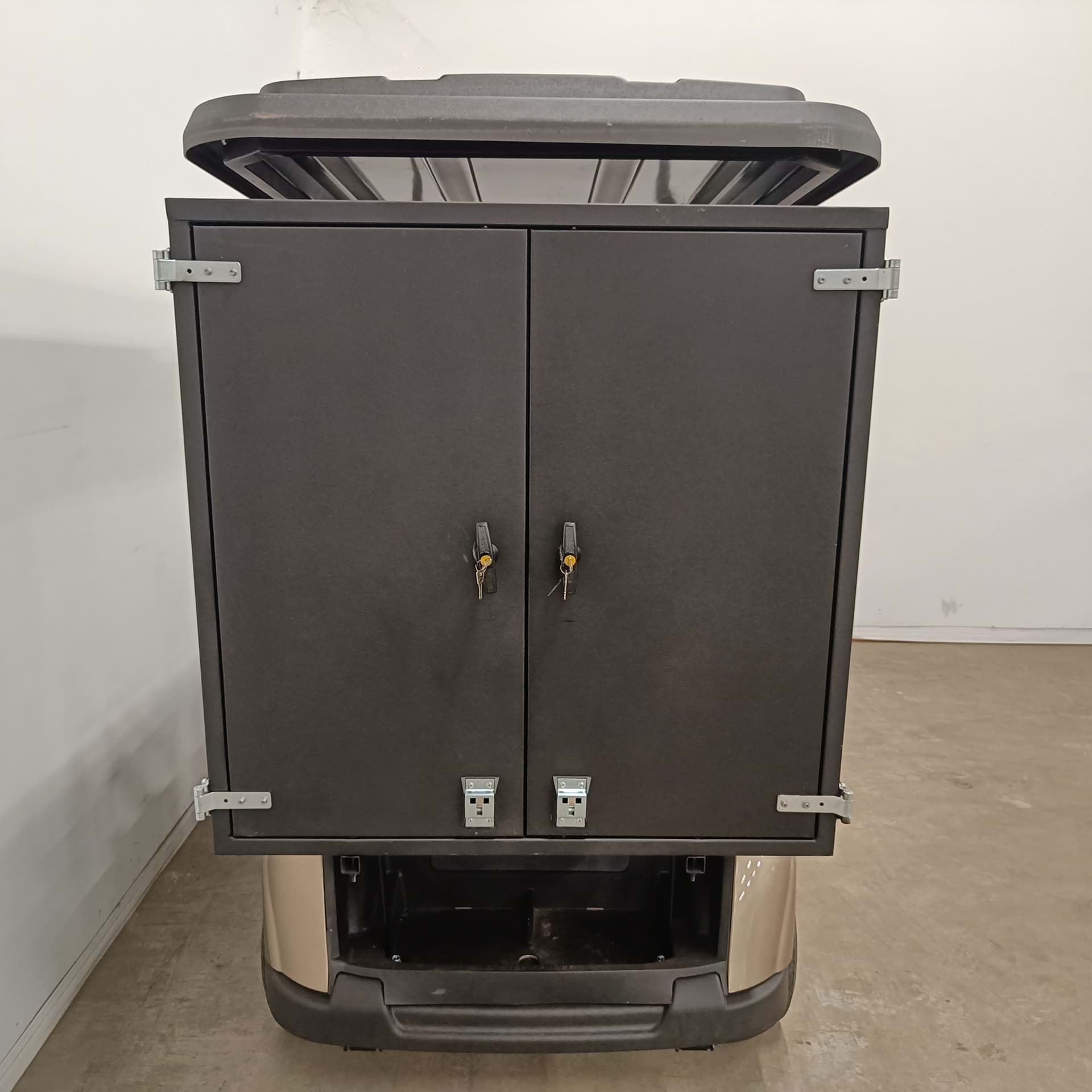
Functionality: Rear seat kits, roofs, windshields, hitches, and cargo boxes enhance its utility.
Aesthetics: Lift kits, wheels, tires, light bars, custom paint, and upholstery allow owners to create a truly personalized vehicle.
Its legacy is one of unwavering reliability. In a world of planned obsolescence, the TXT is a throwback to an era when things were built to last. It is a tool that respects its owner’s time and money by simply working, year after year.
Conclusion
The 2018 EZGO TXT Gas 4-Passenger is a monument to practical engineering. It represents a peak—the final form of a simple, carbureted, hydraulically-braked workhorse before the industry shifted towards meeting stricter emissions standards with more complex and expensive fuel-injected engines.



Reviews
There are no reviews yet.