



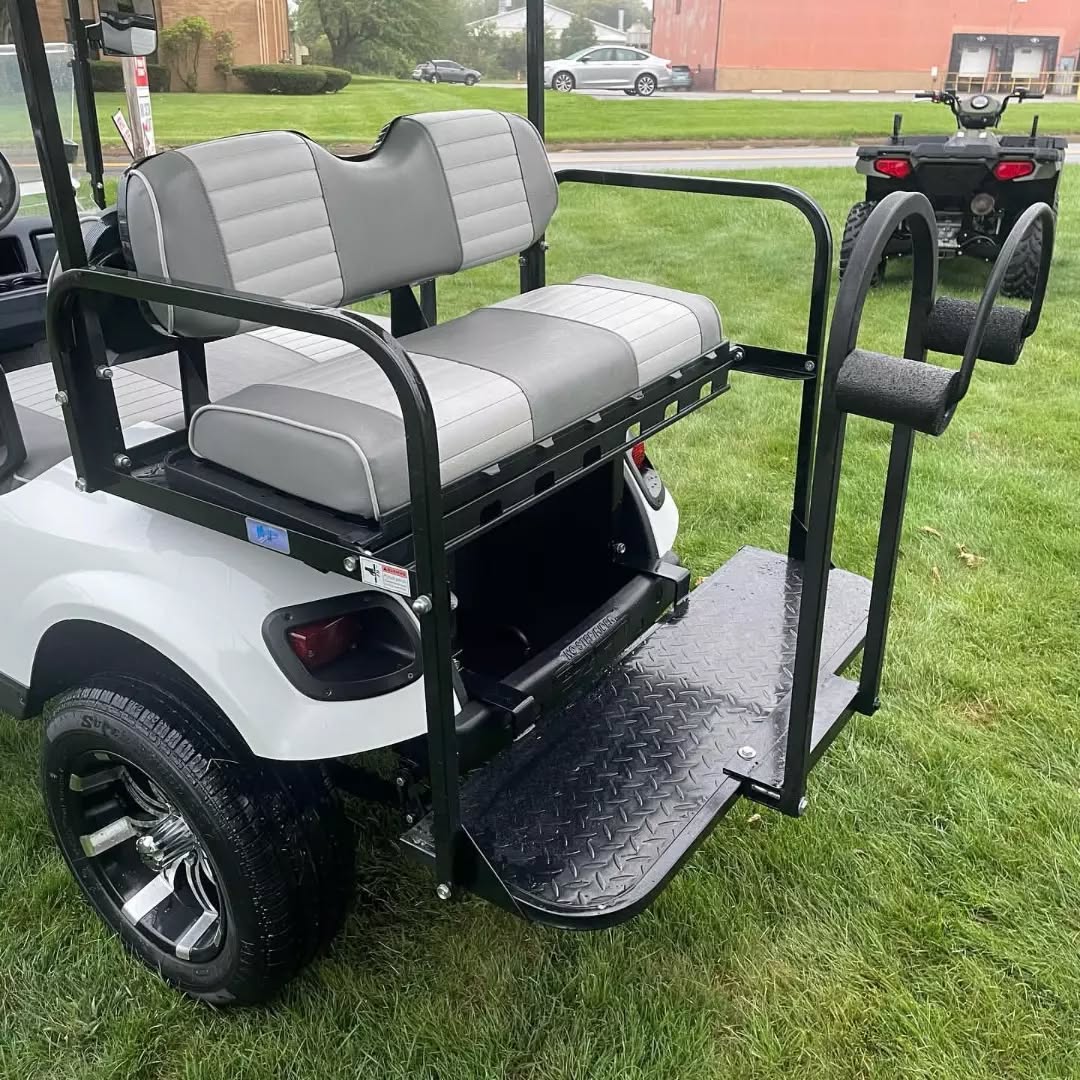
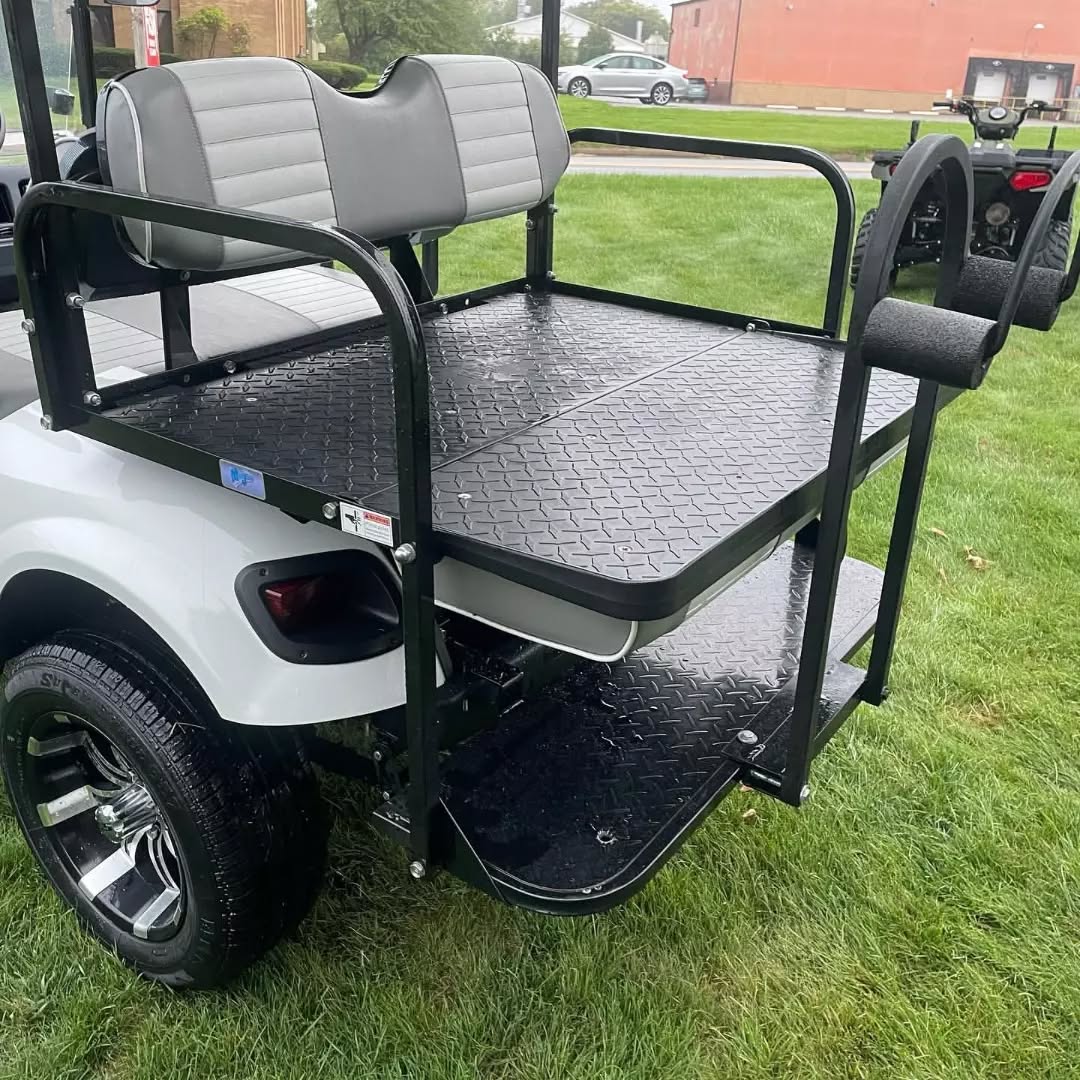
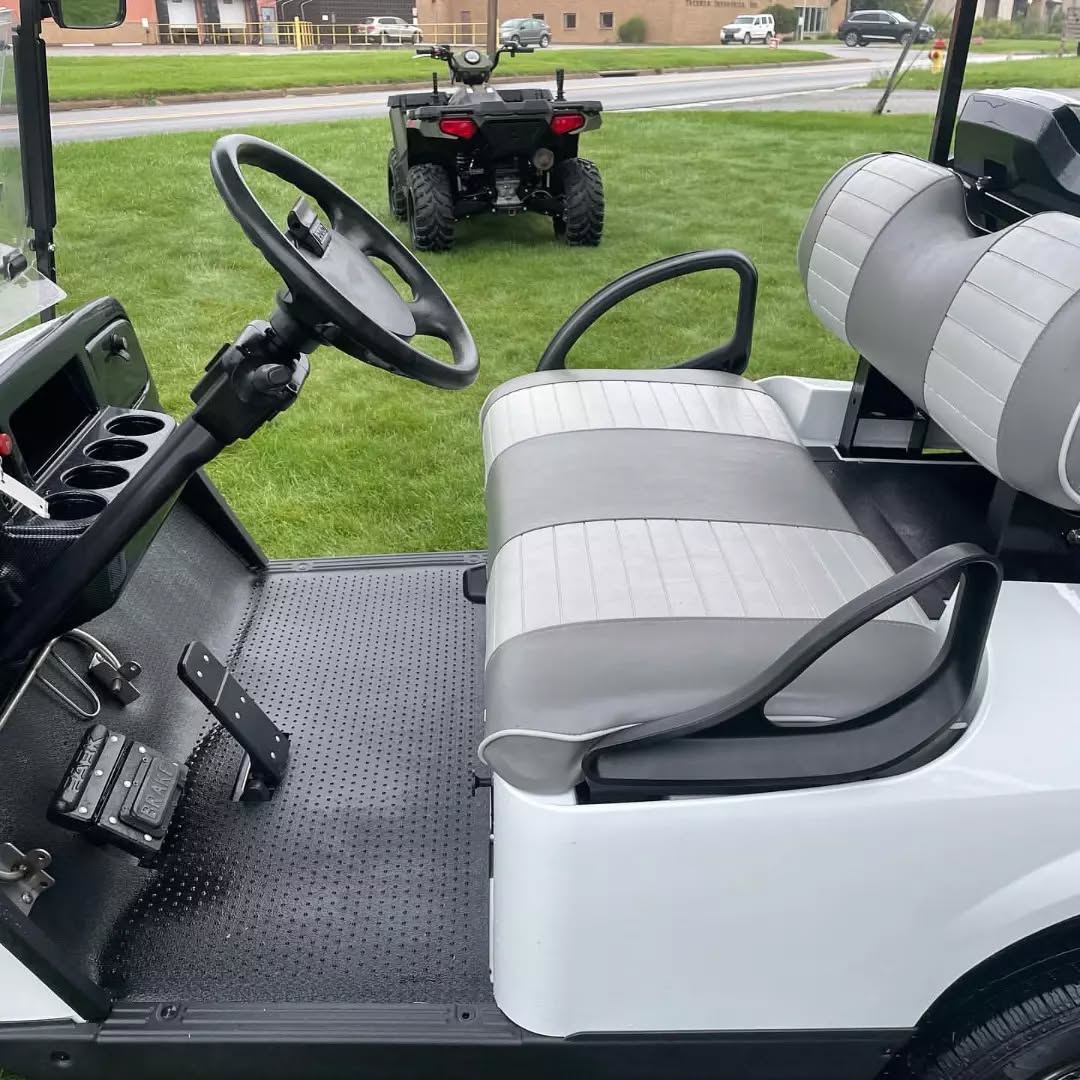
Description
Introduction
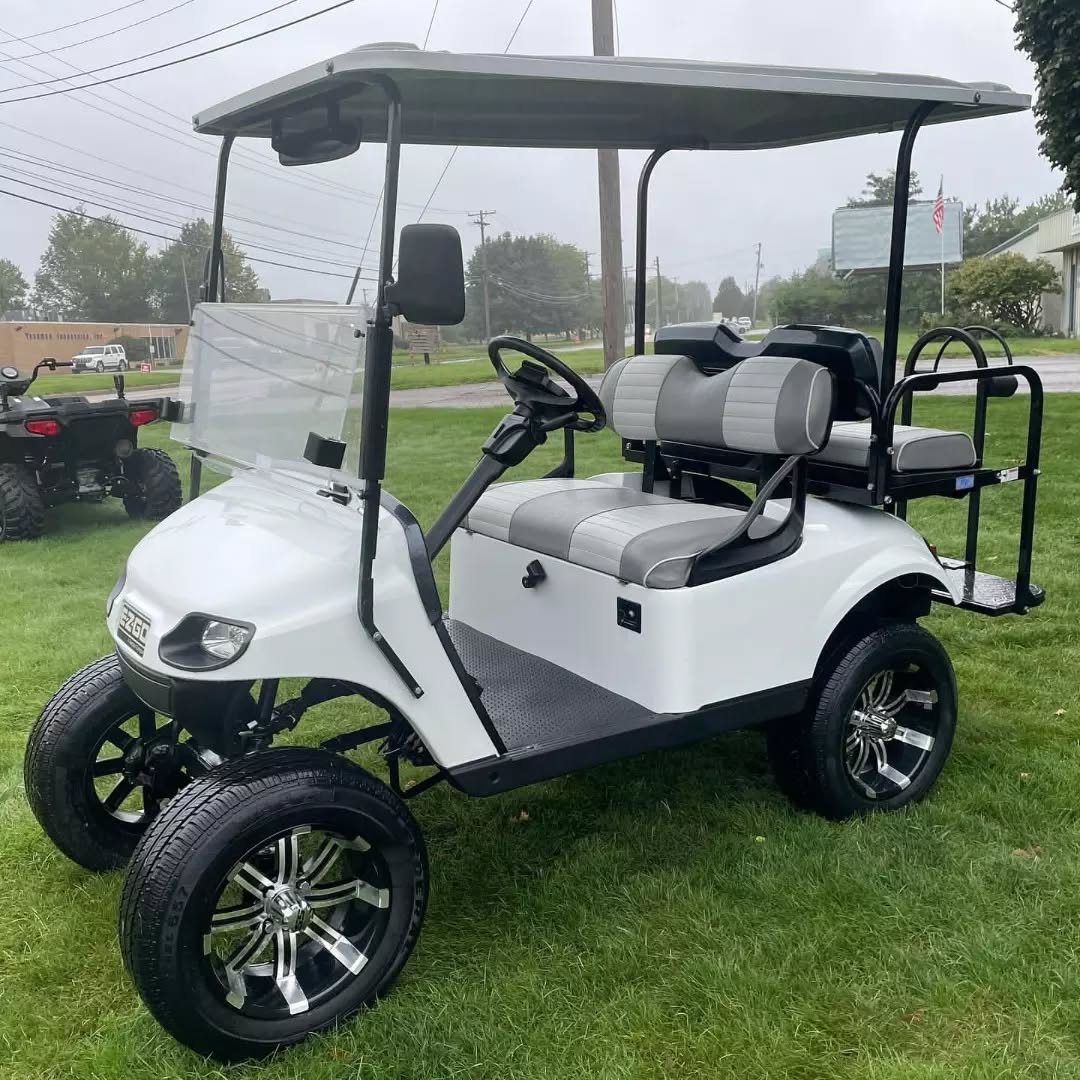
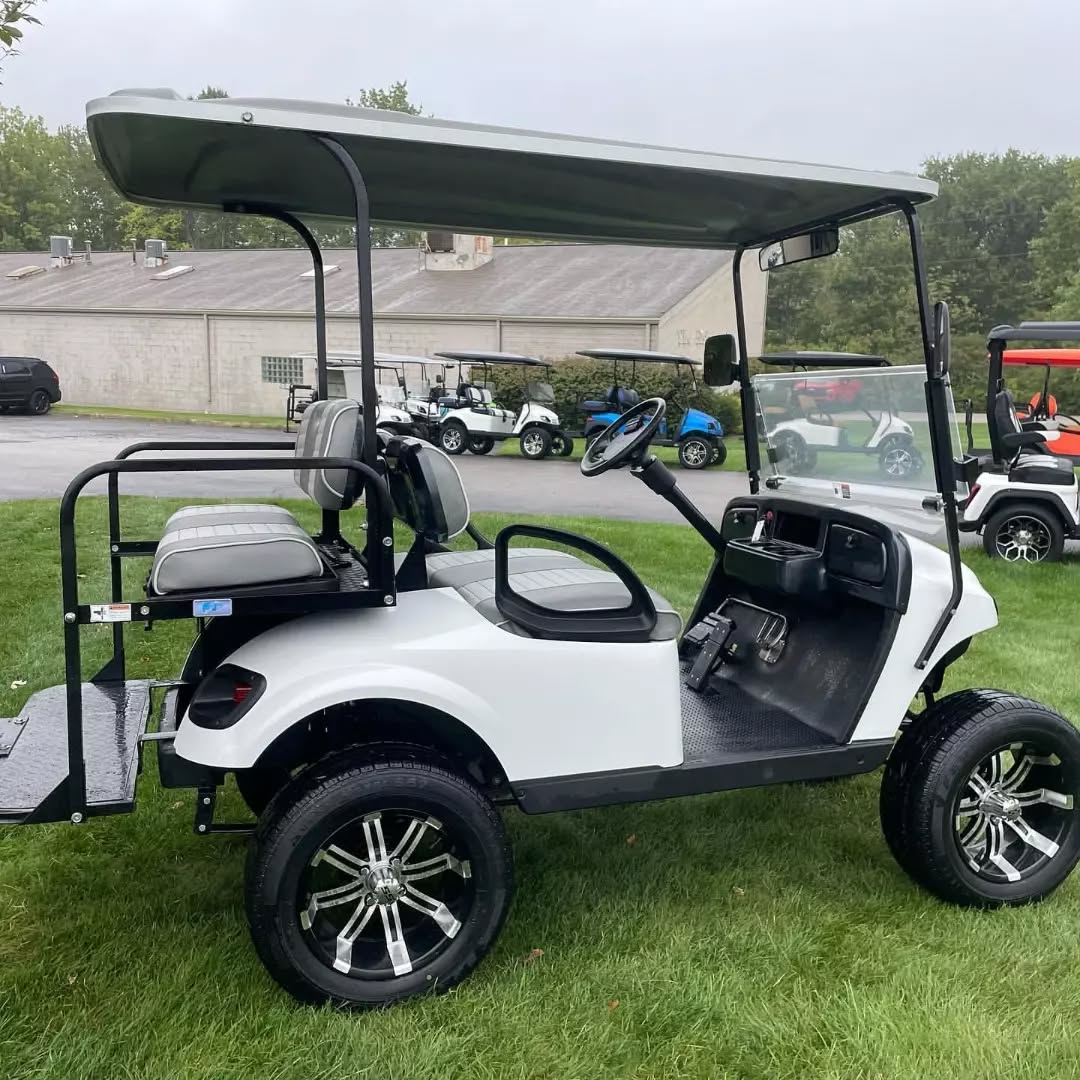
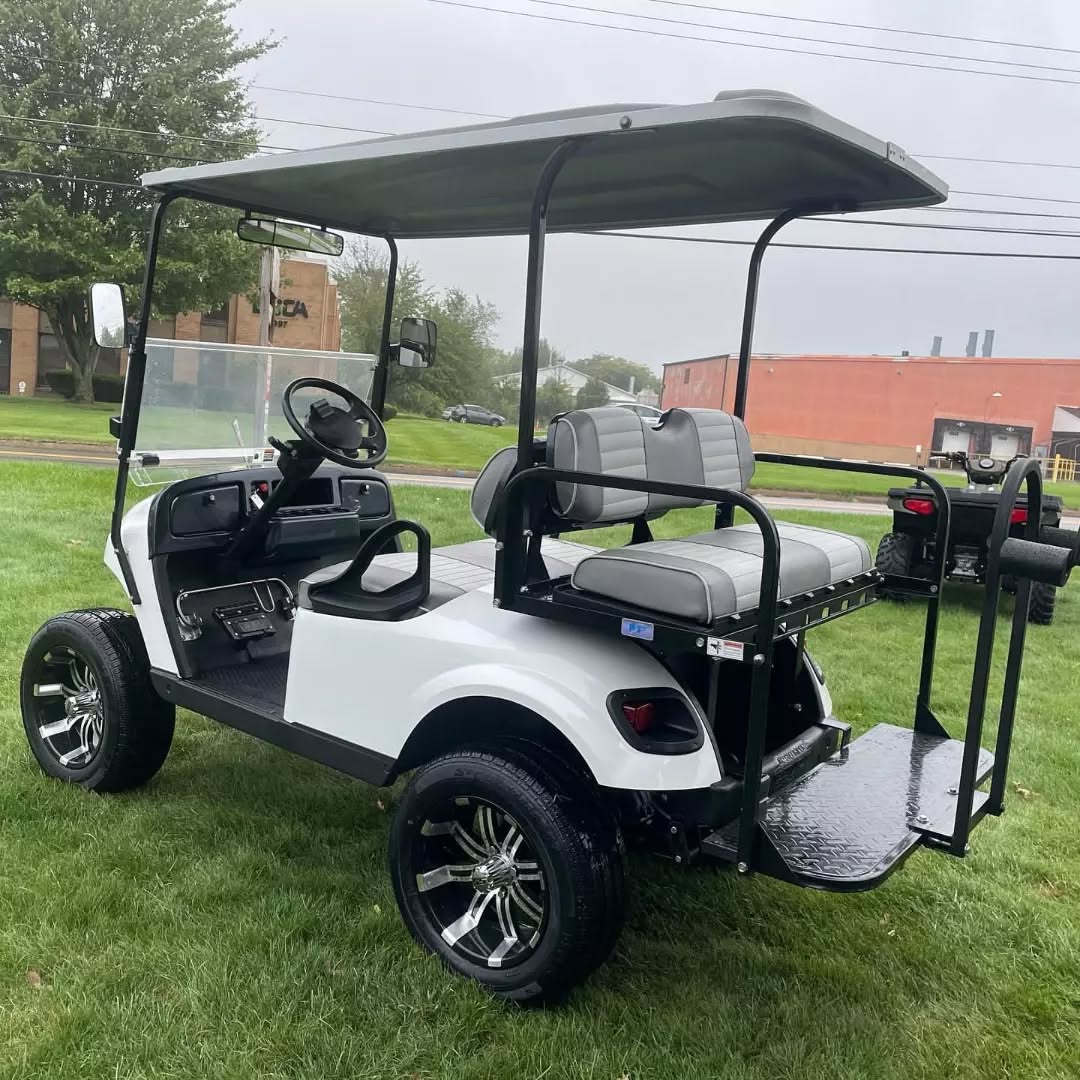
2018 ezgo txt lift kit Gas 4-Passenger model represents a specific peak in this lineage—a vehicle that perfectly balances proven engineering with modern refinements, offering a robust, low-maintenance, and highly capable solution for those who need to move people and cargo without the fuss of electric charging.
This deep dive explores every facet of the 2018 EZGO TXT Gas model, examining its design, performance, mechanics, practical applications, and overall value proposition. Whether you’re a potential buyer, a current owner, or simply an enthusiast, this guide aims to provide a complete understanding of what makes this particular cart a standout choice.
]2018 ezgo txt lift kit : Heritage and Design Philosophy – The Spirit of the TXT
To understand the 2018 model, one must first appreciate the TXT platform itself. Introduced in the mid-1990s as the “Textron” series (hence TXT), it was designed from the ground up to be more robust, user-friendly, and modern than its predecessors. While EZGO has since released more contemporary-looking models like the Liberty and the Express, the TXT has endured thanks to its timeless, no-nonsense design and unparalleled reputation for reliability.
The 2018 EZGO TXT Gas model is not a flashy, luxury-oriented LSV (Low-Speed Vehicle). Instead, it is a workhorse. Its design philosophy prioritizes:
Durability: Built on a strong, steel chassis with a corrosion-resistant powder-coated finish.
Simplicity: A straightforward mechanical design that is easy to understand, repair, and maintain.
Functionality: Every element is designed for a purpose, from the flat cargo bed to the accessible engine compartment.
Value: Offering core capability at a more accessible price point than more premium or complex models.
The body style of the 2018 TXT is what is often referred to as “body-on-frame.” The plastic body panels are separate from the chassis, which is a benefit for maintenance and repair. If a panel is damaged, it can be unbolted and replaced individually, unlike unibody designs where damage can be more catastrophic and expensive to fix.
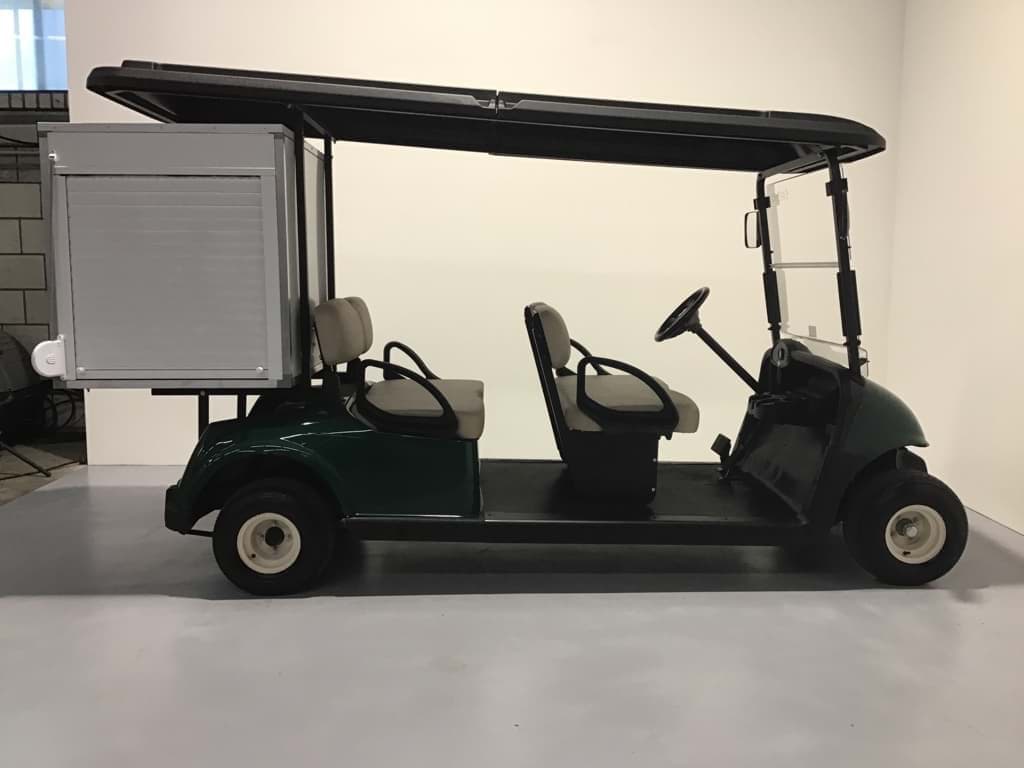
The four-passenger configuration features two forward-facing bench seats. The driver and front passenger enjoy individual bucket-style seating contours, while the rear bench is a simpler, flatter design. The entire rear section is dedicated to the cargo bed, a defining feature of the TXT. With a weight capacity of approximately 300 lbs, this bed is invaluable for hauling golf bags, tools, feed bags, coolers, or landscaping supplies.
2018 ezgo txt lift kit: Under the Hood – The Heart of the Beast
The most significant differentiator of this model is its powertrain. While the electric TXT models are quiet and clean, the gas version offers distinct advantages in range, refueling speed, and consistent torque.
The Engine:
At the core of the 2018 TXT Gas is a 401cc, four-stroke, single-cylinder, overhead valve (OHV) engine manufactured by Kawasaki. This engine is a legend in the small-engine world, renowned for its:
Reliability: Kawasaki’s engineering is known for robust construction and longevity. With proper maintenance, this engine can run for thousands of hours.
Power: It produces ample low-end torque, which is essential for climbing hills, carrying heavy loads, and accelerating with passengers. It feels notably more powerful than older 295cc or 350cc engines found in earlier models.
Efficiency: The OHV design is more efficient and runs cooler and cleaner than older side-valve (flathead) designs.
Smoothness: While still a single-cylinder gas engine (and therefore inherently vibratory), it is remarkably smooth for its type, especially when compared to its predecessors.
Key Engine Features:
Electronic Ignition: Provides reliable starts in various weather conditions and requires no points to adjust.
Forced Air Cooling: A fan draws air over the engine’s cooling fins, preventing overheating even during prolonged low-speed, high-load operation—a scenario where liquid-cooled engines might have an advantage, but the system is effective for its intended use.
Oil Alert System: A low-oil-pressure safety sensor will shut down the engine before insufficient lubrication can cause catastrophic damage, a crucial feature for owners who might not be diligent about maintenance.
EPA Compliance: The engine is designed to meet EPA emissions standards for its class, featuring a sophisticated carburetor and emissions system.
Drivetrain and Performance:
Power is transmitted through a durable CVT (Continuously Variable Transmission) system. This consists of a drive clutch on the engine, a driven clutch on the transaxle, and a drive belt.
How it Works: The CVT automatically and seamlessly adjusts its “gear ratio” based on engine speed and load. At low speeds, it provides a low ratio for strong acceleration and hill-climbing ability. As speed increases, the ratio changes to a higher “gear” for more efficient cruising. This system is perfectly suited for a golf cart’s usage pattern, delivering power exactly where and when it’s needed without the driver having to shift gears.
Transaxle: The transaxle combines a differential and a transmission into a single unit. The gas TXT uses EZGO’s exclusive “MCI” (Marathoner Counter Intuitive) transaxle, which is known for its strength and durability. It features a standard Forward/Neutral/Reverse (F-N-R) shifter, typically a lever located between the seats.
2018 ezgo txt lift kit : Performance Specifications:
Top Speed: Governed from the factory to comply with golf course regulations, the top speed is typically around 13-15 mph. However, this can be easily increased with simple aftermarket modifications (a popular one being a “governor bypass” or clutch machining) to reach 20-25 mph, though this may void warranties and is not recommended for golf course use.
Torque: The abundant low-end torque is the gas model’s party piece. It tows and climbs with an authority that electric models of similar vintage can struggle to match, especially as battery charge depletes.
Range: This is the gas model’s killer feature. With a 6-gallon fuel tank, the TXT Gas can easily achieve over 150 miles of range on a single tank. Refueling takes minutes, compared to the 6-8 hours required for a full charge on a standard electric cart. This makes it ideal for long days, large properties, or situations where access to charging is inconvenient.
2018 ezgo txt lift kit: Chassis, Suspension, and Braking – The Foundation of Control
A powerful engine is useless without a competent chassis to harness it.
Frame: The foundation is a heavy-gauge steel ladder-style frame, providing a rigid and strong platform that can handle rough terrain and heavy loads without flexing or twisting.
Suspension: The TXT uses a simple, effective, and proven independent front suspension with leaf springs at the rear. This setup offers a comfortable ride for passengers and helps keep all four wheels in contact with the ground over bumps, improving traction and stability. The rear leaf springs are particularly well-suited for carrying heavy loads in the cargo bed.
Braking System: The 2018 model is equipped with a hydraulic drum brake system on all four wheels. This was a significant upgrade from the older mechanical brake systems. Hydraulic brakes offer:
Stronger, More Consistent Stopping Power: Less pedal effort is required.
Self-Adjusting: They maintain their adjustment as the brake shoes wear.
Better Reliability: Less prone to the cable stretch and seizing that plagued mechanical systems.
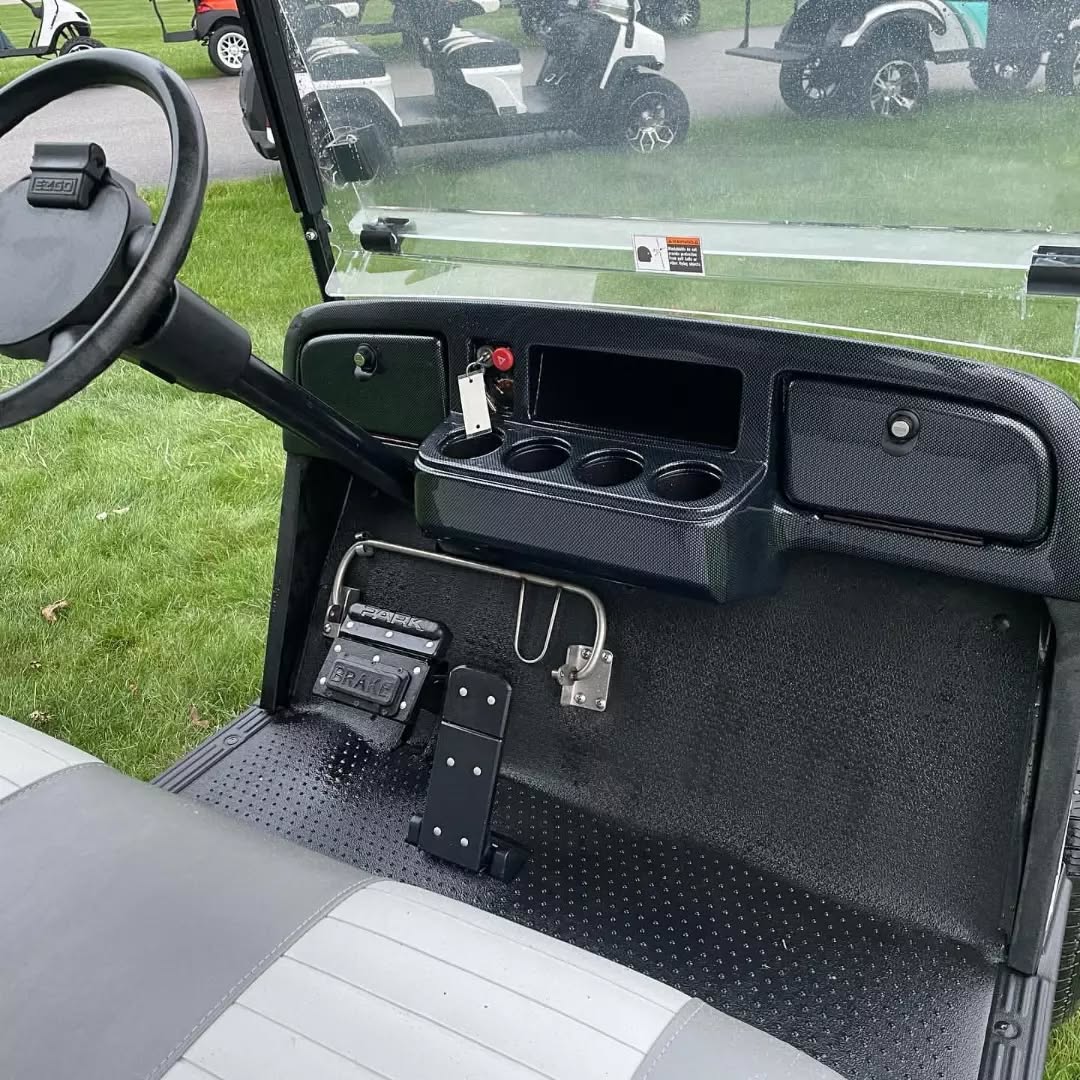
For added safety, the parking brake is a separate, mechanical system that acts on the rear wheels.
Tires and Wheels:
The cart typically came from the factory with 18×8.5-8 street-style tires on 8-inch steel wheels. These are designed for smooth, quiet operation on paved paths and golf courses. However, one of the greatest strengths of the TXT platform is its customizability. Owners frequently upgrade to larger 10″ or 12″ wheels with all-terrain or knobby tires, dramatically improving the cart’s appearance and off-road capability.
2018 ezgo txt lift kit: The Ownership Experience – Living with a 2018 TXT Gas
Driving Impressions:
Driving the 2018 TXT Gas is a straightforward and engaging experience. The key turn starts the engine with a characteristic and satisfying thrum that electric carts lack. Acceleration is brisk, thanks to the torquey engine and CVT, which eliminates any lag. The steering is direct, though it requires more effort than a car’s power steering. The ride is firm but comfortable, absorbing bumps adequately while communicating the nature of the terrain beneath you. The engine noise is present but not overwhelming, allowing for normal conversation. It’s a utilitarian driving experience that feels honest and capable.
Maintenance and Reliability:
This is where the gas model truly shines for many owners. The maintenance schedule is familiar to anyone who has owned a lawnmower, generator, or any small engine equipment.
Routine Maintenance: Includes oil changes (every 100 hours or seasonally), air filter cleaning/replacement, spark plug changes, and belt inspections. These are simple, inexpensive tasks that many owners can perform themselves.
Compared to Electric: There are no batteries to replace every 4-6 years at a cost of $800-$1,200. The lead-acid batteries in electric models require regular watering and can be damaged by improper charging. The gas model eliminates this single biggest cost and hassle of electric cart ownership.
Longevity: A well-maintained Kawasaki engine will last for an incredibly long time. While electric carts can suffer from range degradation and expensive controller or motor failures, the gas engine’s problems are usually simpler and cheaper to fix (e.g., carburetor cleaning, fuel pump replacement).
The “Gas vs. Electric” Debate for the 2018 Model:
This is the eternal question. The gas model wins on:
Range and Refueling: Unmatched for long-distance use.
Consistent Power: Performance doesn’t diminish as the “tank” gets low.
Lower Long-Term Cost: Avoiding battery replacement is a huge financial advantage.
Towing and Hill Climbing: Superior torque for heavy loads.
The electric model wins on:
Quiet Operation: Essential for early morning golf or peaceful neighborhood cruising.
Zero Local Emissions: Can be used indoors (e.g., in warehouses) and is better for the environment.
“Instant Torque”: Electric motors provide immediate power from a stop.
Lower “Fuel” Cost: Electricity is cheaper than gasoline per mile.
The choice ultimately boils down to personal preference and use case.
Part 5: Customization and Potential
The EZGO TXT is one of the most customizable vehicles on the planet. The 2018 gas model is a perfect canvas.
Performance: As mentioned, speed upgrades are common. High-flow air filters and performance exhausts can also extract a few more horsepower.
Aesthetics: Lift kits (3″, 4″, 6″) are incredibly popular, allowing for larger, more aggressive tires. Options for new bodies, seats, upholstery, dash kits, steering wheels, and LED light kits are virtually limitless.
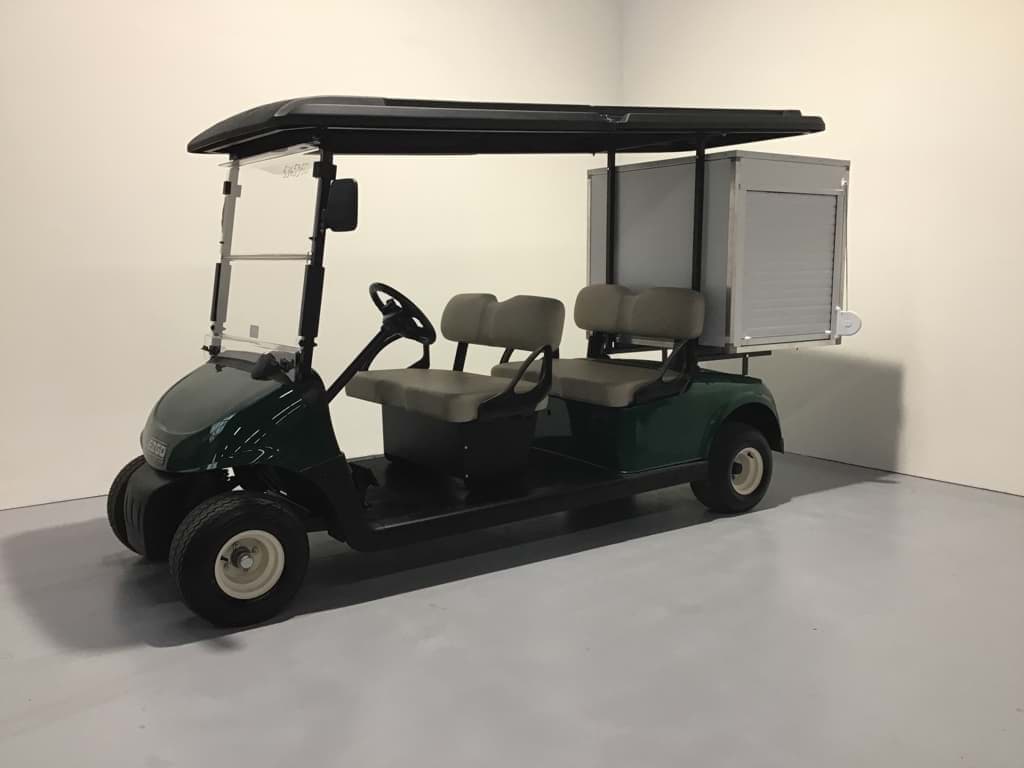
Functionality: Add-ons like windshields, roofs, rear seat kits (converting it to a 6-seater), cargo boxes, hitches, and audio systems can tailor the cart to any specific need.
Conclusion:
The 2018 EZGO TXT Gas 4-Passenger is a compelling package. It represents the culmination of decades of refinement on a proven platform. It forgoes the high-tech buzz and silent operation of its electric siblings for the raw, practical, and reassuring virtues of a simple internal combustion engine: limitless range, quick refueling, formidable torque, and easy, familiar maintenance.


Reviews
There are no reviews yet.